
Your Factory Knows More Than Any One Person

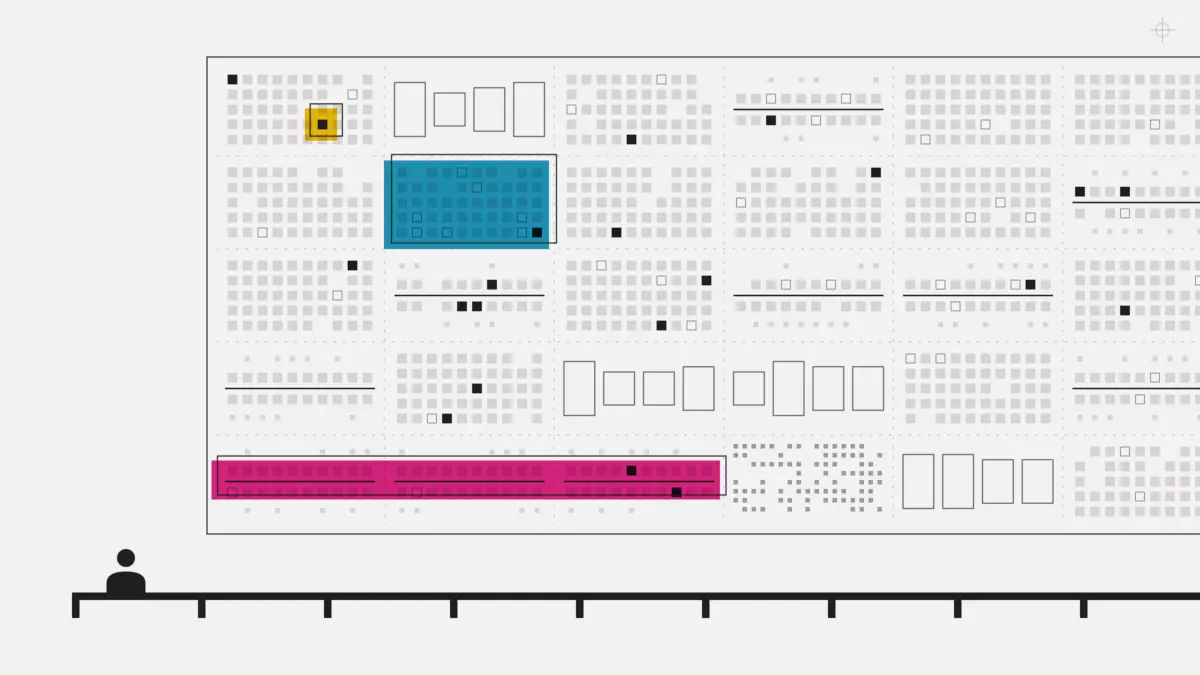
Ask a plant manager how their factory is performing, and they’ll probably have an answer.
They know yesterday’s production numbers, which lines are behind schedule, and which departments are struggling to meet their targets.
Now ask why Station 27 spent two hours waiting for materials last Tuesday.
The plant manager might not know.
The production supervisor might know what happened, but not why.
The operator might remember waiting for a cart that never arrived.
And someone in the materials department might know exactly why that cart was late.
Everyone has part of the story. Nobody necessarily has the whole picture.
This is one of the fundamental challenges of operating a large manufacturing facility.
Nobody Understands the Entire Factory
A modern factory is an interconnected system of machines, people, materials, processes, and decisions.
Operators develop an understanding of their individual workstations. Supervisors learn how their departments behave. Maintenance technicians recognize recurring equipment problems. Industrial engineers understand the processes they’ve studied and improved.
Over time, experienced employees develop detailed mental models of how the operation works.
They know which stations tend to create bottlenecks, which material shortages are common, and which seemingly minor issues can disrupt production.
But this knowledge is distributed across dozens or hundreds of people.
And even the most experienced employee has limits.
An engineer might understand one production line extremely well but know relatively little about another department.
A supervisor may recognize that their team is consistently waiting for materials without understanding the upstream process responsible for the delays.
The larger the operation becomes, the more difficult it is for any one person to understand how everything fits together.
The Missing Pieces Aren’t Always in Your Data
Manufacturers have spent decades instrumenting their operations.
Machines report operating conditions. ERP systems track orders and inventory. MES platforms record production transactions. Quality systems document defects and failures.
These systems provide valuable information.
But not everything happening inside a factory generates a digital record.
An operator walks across the department to retrieve a component.
A material cart arrives late.
A workstation sits empty because upstream production has fallen behind.
Two employees spend ten minutes resolving a problem that never gets entered into a system.
These activities influence production performance, but they may exist outside the data manufacturers traditionally collect.
Consequently, understanding a production problem often requires someone to physically investigate what happened.
The information exists in the factory.
It just isn’t necessarily being captured.
Building a More Complete Picture
Visual intelligence helps address this visibility gap.
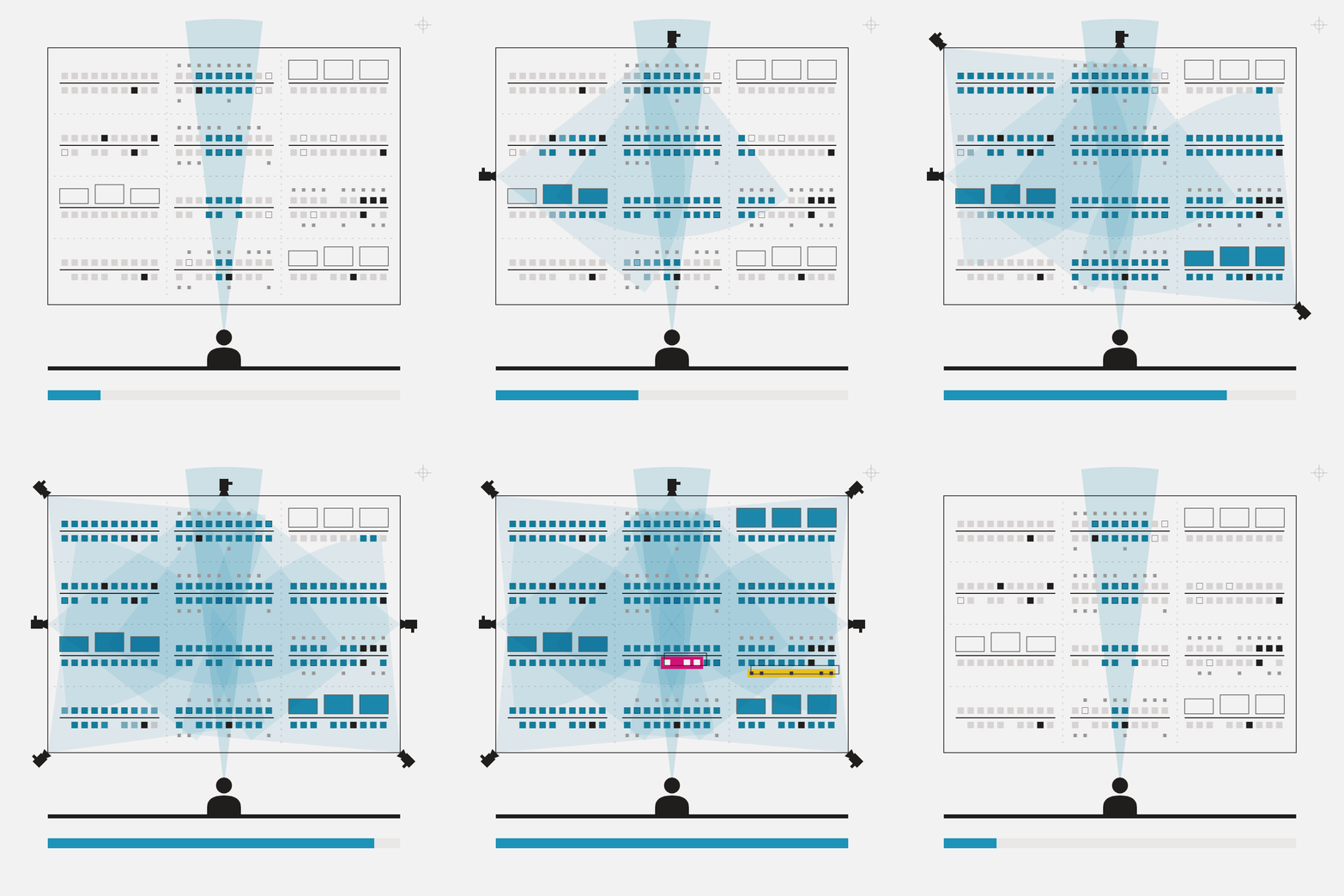
By analyzing video from existing cameras, platforms like Leela AI can measure configured production activities, including cycle times, operator presence, waiting, and other value-added or non-value-added activities.
This creates another layer of operational information that complements existing machine and production data.
Consider a workstation experiencing recurring delays.
An MES might show that production fell below target.
Machine data might indicate that equipment was available.
Visual activity measurements might reveal that the workstation spent substantial time waiting without an operator performing the expected work.
Each source provides another piece of the operational picture.
Together, they can help engineers and supervisors narrow their investigation.
But collecting the information is only part of the challenge.
People also need a practical way to access and interpret it.
What If You Could Ask Your Factory?
Traditionally, investigating production performance involves reviewing dashboards, extracting reports, comparing timestamps, and speaking with people familiar with the process.
For an experienced engineer, much of this work is routine.
For someone unfamiliar with the operation, even knowing where to begin can be difficult.
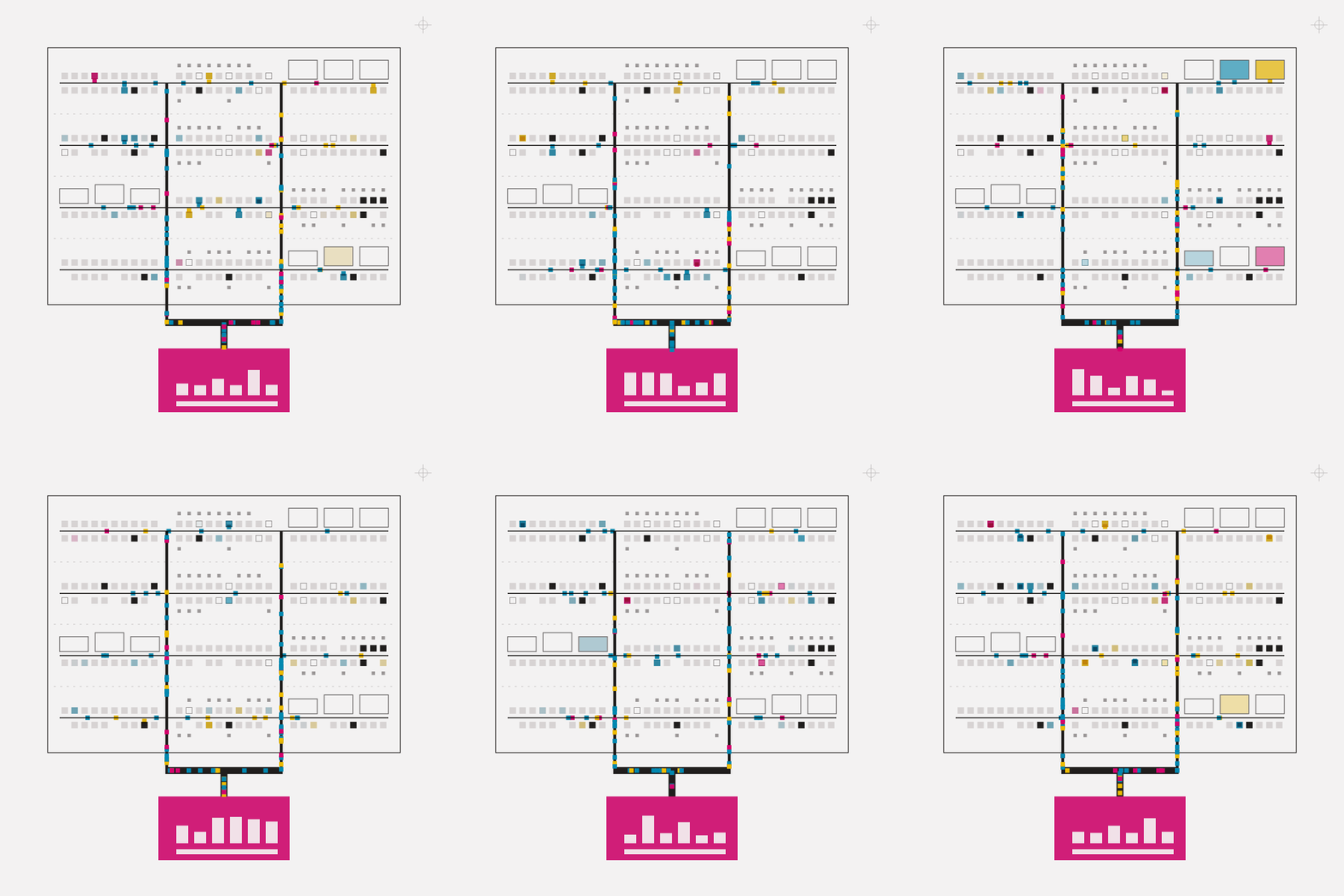
The Leela AI Assistant offers another way to interact with visual production data.
Instead of manually searching through multiple views, users can ask questions about measured production activity.
For example:
“Which stations experienced the most waiting time yesterday?”
“How did cycle times change between the morning and evening shifts?”
“Which production areas have the highest percentage of non-value-added activity this week?”
The questions are straightforward, but answering them manually across a large operation can require considerable effort.
An AI assistant can help make this information accessible without requiring every user to become an expert in the underlying dashboards.
It doesn’t automatically understand every cause of a production problem. But it can help people find the observations needed to investigate one.
Making Operational Knowledge More Accessible
There’s another consequence of fragmented operational knowledge.
Experienced engineers and supervisors are often responsible for teaching newer employees how the factory operates.
But those same employees are also responsible for keeping production running, responding to problems, and implementing improvements.
They don’t always have the time to explain every process, historical performance pattern, or recurring operational issue.
Having accessible historical production measurements gives newer employees another way to familiarize themselves with an operation.
They can examine how a workstation normally performs, compare its activity across shifts, and identify recurring patterns before seeking further explanation.
That doesn’t replace the knowledge of an experienced engineer.
It provides a foundation for asking better questions.
The Goal Isn’t to Replace Experience
No dashboard, camera, or AI assistant can completely replicate the understanding of someone who has spent twenty years working inside a manufacturing facility.
That experience includes judgment, intuition, and knowledge that may never have been formally documented. Some people call this “tribal knowledge” or “tacit knowledge”.
Factories shouldn’t have to depend entirely on a handful of people to understand how their operations behave.
Visual intelligence can capture activities that previously went unmeasured. Combined with existing operational data and accessible analytical tools, it can help more people develop a clearer understanding of the systems they operate.
Your factory knows more than any one person. The challenge is making more of that knowledge accessible to the people who need it.